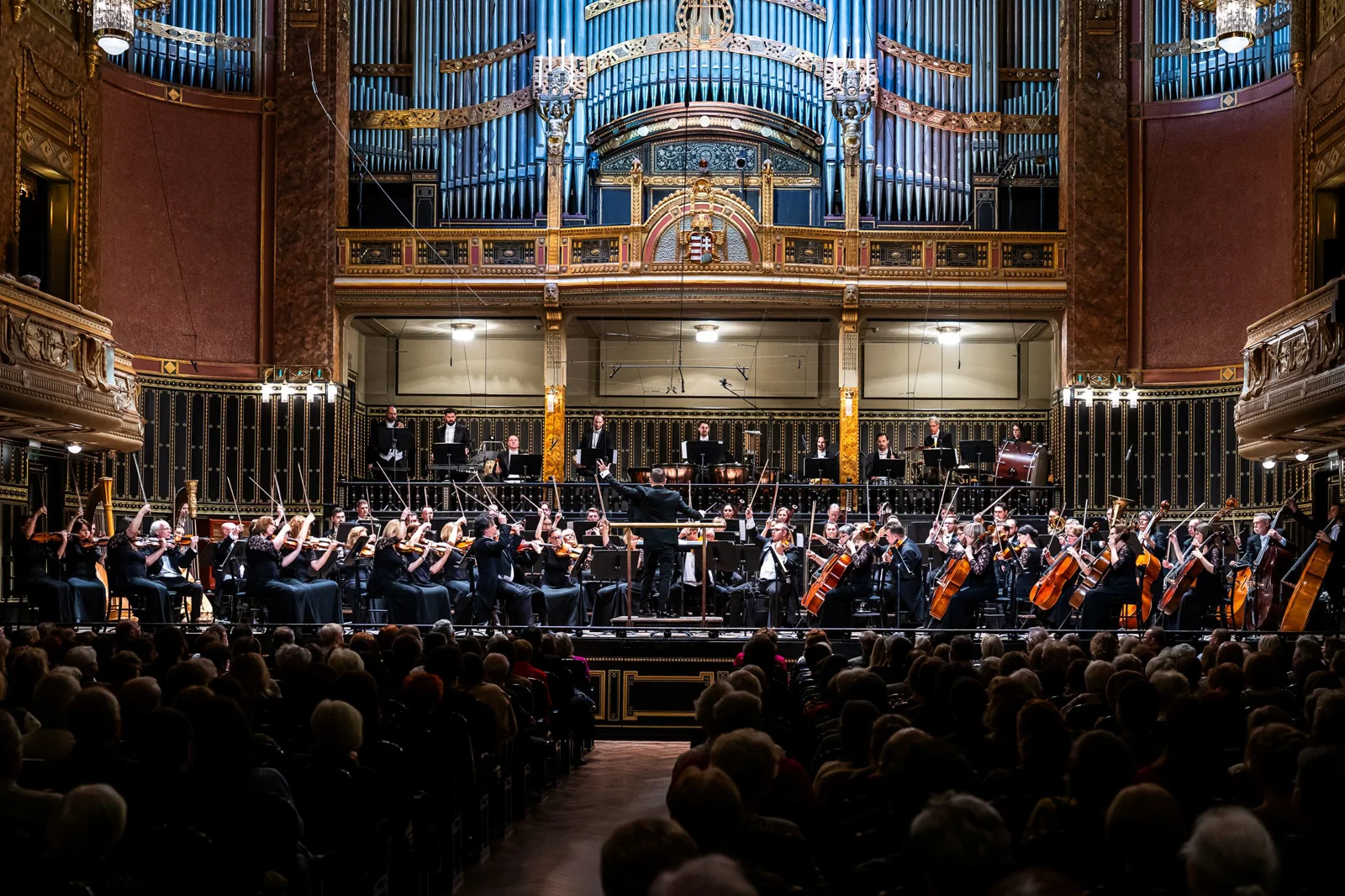
On two consecutive days, October 9 and 10, the MÁV Symphony Orchestra will present chamber music concerts.
On October 9, 2026, at 6:00 p.m., audiences are invited to a true cultural and historical treat in the magnificent Mirror Hall of Festetics Palace. Led by and featuring flutist András Adorján, the MÁV Symphony Orchestra’s chamber concert brings into dialogue one of Johann Sebastian Bach’s timeless masterpieces, the Goldberg Variations, and the fascinating world of ideas of Thomas Bernhard, the enfant terrible of Austrian literature.
A pinnacle of Bach’s art – with the silky elegance of the flute
A supreme achievement of Baroque variation form, the Goldberg Variations will be heard in an entirely new guise. In András Adorján’s own chamber arrangements, the flute solo and the playing of the orchestra’s musicians – András Csizmadia and Judit Fügedi, oboes; Melinda Paálné Falusi and Sarah Tako, bassoons – bring transparency, fresh colours and elegance to Bach’s intricate polyphony.
András Adorján, a regular guest artist of the MÁV Symphony Orchestra, is an internationally renowned flutist who has appeared as a soloist with leading symphony orchestras around the world. He has served as a professor at the music academies of Cologne and Munich, and his artistry has been documented on more than 100 recordings. In 2009, his unique reference work, Lexicon of the Flute, was published. His extraordinary career and expertise have made him one of the best-known and most highly regarded representatives of his generation.
Obsession and genius: Glenn Gould and Thomas Bernhard
Thomas Bernhard’s novel The Loser is a profound exploration of genius and artistic limitations, centred around the figure of Glenn Gould, the legendary pianist whose interpretations of the Goldberg Variations became iconic. Excerpts from the novel will be brought to life by actor Antal Cserna, well known for his roles in film and theatre.
For Cserna, this performance marks the fulfilment of a dream he has cherished for fifty years. He has been fascinated by Bach’s masterpiece since his secondary-school years, and now, as an actor, he will guide audiences into the deepest layers of Bach’s musical universe.
We warmly recommend the MÁV Symphony Orchestra’s season-opening concert of the Festetics Series to all music lovers: an evening in which music and literature merge into a single captivating experience.
On October 10, 2026, at 4:00 p.m., the outstanding musicians of the MÁV Symphony Orchestra will take to the stage of the intimate Auditorium of the French Institute to demonstrate how the smallest musical gesture, a single glance or even a breath can shape a melody.
The brilliant result of an enforced rest: Dohnányi’s Sextet
Did you know that one of the most fascinating chamber works in Hungarian music history owes its existence to an enforced period of convalescence? Ernő Dohnányi carried the idea of his Sextet with him for twenty-five years, but it was ultimately a period of bed rest due to illness in 1934 that channelled his creative energy into the finished work.
The result is a masterpiece scored for the unusual combination of piano, violin, viola, cello, clarinet and horn. It begins in a sound world reminiscent of Mahler’s dramatic symphonies, embraces the melancholy lyricism of Brahms, and then, in its finale, unexpectedly plunges the audience into the sultry, jazz-inflected dance music of the 1920s and 1930s. In a single work, we encounter heroic drama, dazzling variations and even a tipsy Viennese waltz. It is no wonder that the piece has been described as beginning where Brahms left off and ending somewhere Gershwin would have felt perfectly at home.
Performers:
Midori Sasazuka – violin
Eszter Kalocsai – viola
Olívia Farkas – cello
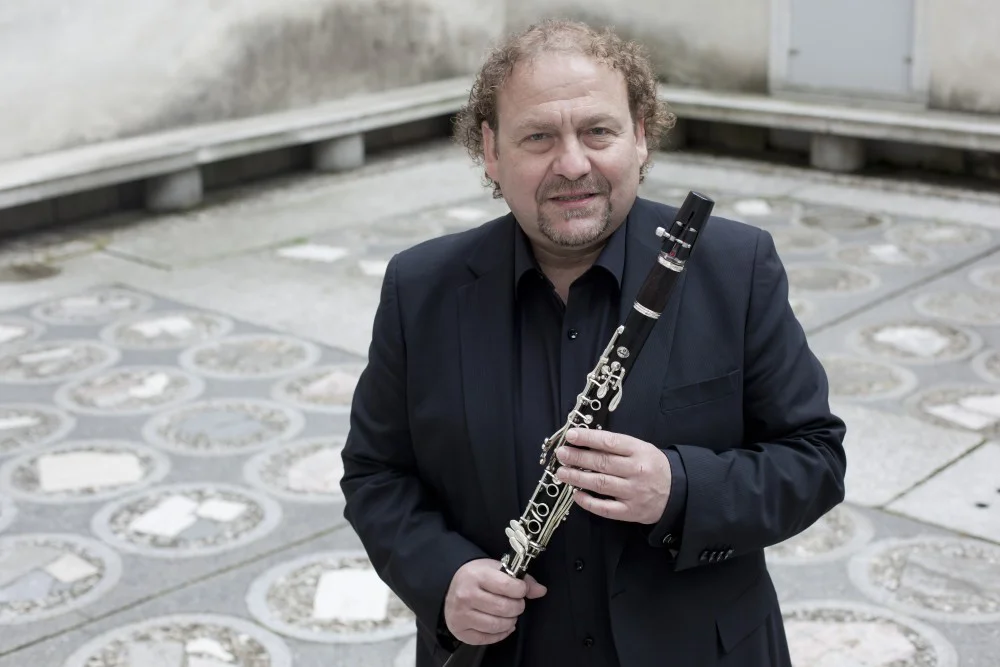
Balázs Sándor – clarinet
László Csabay – horn
Domonkos Csabay – piano
Debussy and unrestrained freedom
“There is no theory. You have only to listen. Pleasure is the law!” declared the young Claude Debussy, whose unconventional rhythms and startling harmonies exasperated the conservative professors of the Paris Conservatoire.
Written when Debussy was thirty, his String Quartet in G minor is a true manifesto of modern chamber music. The four string instruments employ a dazzling range of techniques – plucking, muting and shimmering vibrato – to create a magical blend of styles. Echoes of the exotic percussive rhythms of Indonesian gamelan music, which Debussy encountered at the Paris World’s Fair, mingle with the timeless wisdom of Beethoven’s late quartets and the soaring passion of Wagner.
Performers:
Mátyás Bartha – violin
Dorottya Kerényi – violin
Andor Jobbágy – viola
Olívia Farkas – cello
Chamber music lovers are warmly invited to the remaining concerts in the series at the French Institute. Until the date of the first concert, a four-concert season ticket is also available.